

In September 2021, I packed up my life and moved to Ghana.
At the time, I was working at PwC in Europe as an auditor. It had been an enriching experience, but truthfully… I was drained. I had taken on the role of a senior auditor before officially being one, managing a huge, brand-new international audit mission, with entities scattered across Canada, Germany, Switzerland — honestly, I can’t even remember all the countries anymore.
There was no audit history. No prior files. We were understaffed. So during the day, I played the middlewoman — client meetings, manager updates, making sure everything moved. And then… came part two of the day: audit testing, documentation, late-night work. People were even surprised at how I managed it all.
But looking back, I probably experienced a mild form of burnout.
I was hypersensitive, crying because I lost my keys, constantly forgetting things, always on edge, emotionally fried.
But that exhaustion triggered an important question:
“Is this really what I want to do with my life?”
And that’s when the voice came.
Not loud, not dramatic — just present:
“Go to Africa.”
It started as a joke. It became a decision.
At first, I thought I just needed a long break — nothing life-changing. But the idea wouldn’t leave me alone.
It began as a joke I made to my dad:
“Papa, I’m going to move to Africa!”
But slowly, it grew into something real.
I began looking for a V.I.E. — a European International Volunteer Program for young professionals under 30 to work abroad with a French company. It offers financial and logistical support, which makes settling into a new country much easier.
If you’re curious about the V.I.E. program, feel free to message me or leave a comment below — I’m happy to share more.
I searched for months. It was longer than expected, but not as exhausting as I feared — I found something within six months, which is actually not bad. But here’s the truth: very few opportunities are in Africa. Most V.I.E. contracts are in places like New York, Dubai, or Australia. Everyone wants those shiny destinations.
But I didn’t. I wanted West Africa — ideally a French-speaking country.
As a French-Caribbean girl who grew up in the suburbs of France, that’s what I knew. I dreamt of Senegal. I even started learning a few words of Wolof — “Nanga def?”
Côte d’Ivoire, Mali, Congo… these places felt culturally and socially familiar.
But life had other plans.
Ghana chose me.
I knew nothing about Ghana.
I don’t think I had even met a Ghanaian in my life before.
And, fun fact — my first step in Ghana was my first step ever in Africa.
Now, nearly four years later, I can say: it changed my life
The magic of the first year
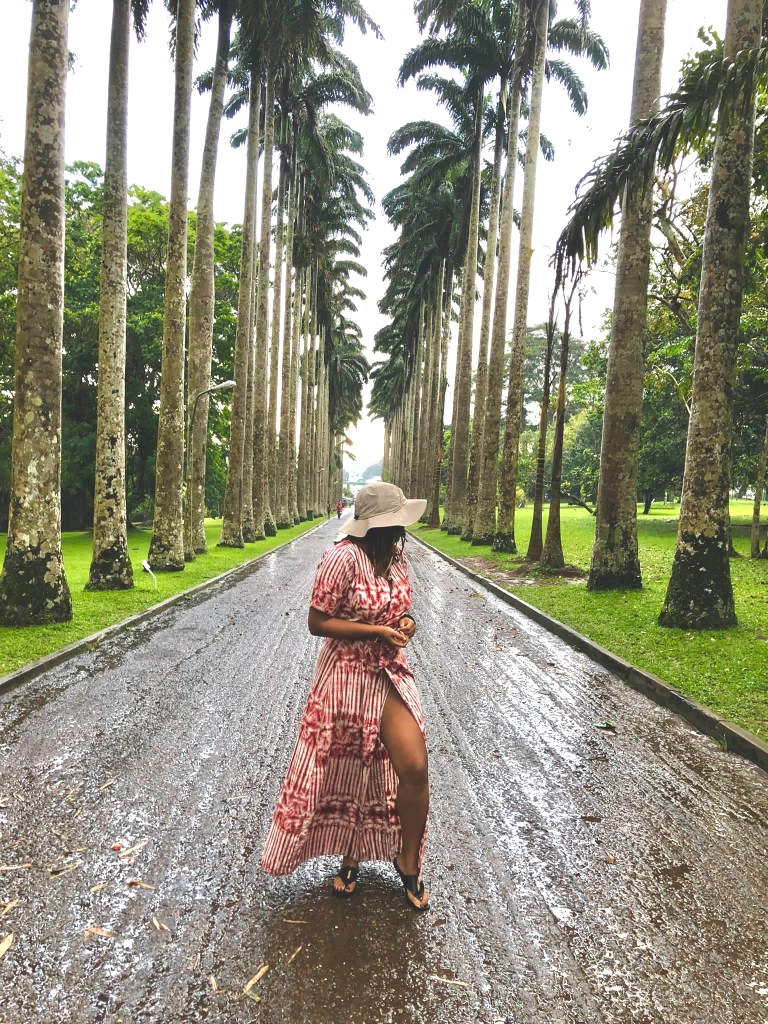
That first year? Absolutely magical.
I was just feeling at the right place, at the right moment.
It’s a beautiful feeling — especially when you’ve started to question everything about your life.
I was worried about social life. I’m not the most outgoing person — classic introvert, that’s me. But from day one, I was surrounded by an amazing diaspora community. Many of them were also on V.I.E. contracts. Many of them, like me, came from minority backgrounds. We were French, curious, slightly lost — but determined.
There’s something incredibly comforting about being surrounded by people who look like you. Not just physically — but in how they move through the world.
One of the first things I loved about Ghana was seeing Black excellence everywhere.
Yes, of course, there are Black cleaners and security guards — like anywhere in the world.
But there are also Black CEOs, CFOs, startup founders, engineers, policymakers — and they’re not just tokens. They run things.
Representation like that is powerful.
I never felt like I suffered from a lack of representation growing up — at least not consciously. But let’s be real: minorities often carry an unseen weight. That invisible pressure of how society sees you, how it limits you, how it expects you to behave or perform.
In Ghana, I was finally in a place where being Black didn’t need an explanation.
It just was.
That said, the experience of being Black and a foreigner brings its own twist.
Yes — you can absolutely be Black and still be called “obruni” (the word for foreigner in Ghana – Twi), or the white girl, because of your accent, the way you dress, or the way you carry yourself. That’s another conversation for another article — being Black but not from here.
That’s a whole other article: Being Black, but not from here.
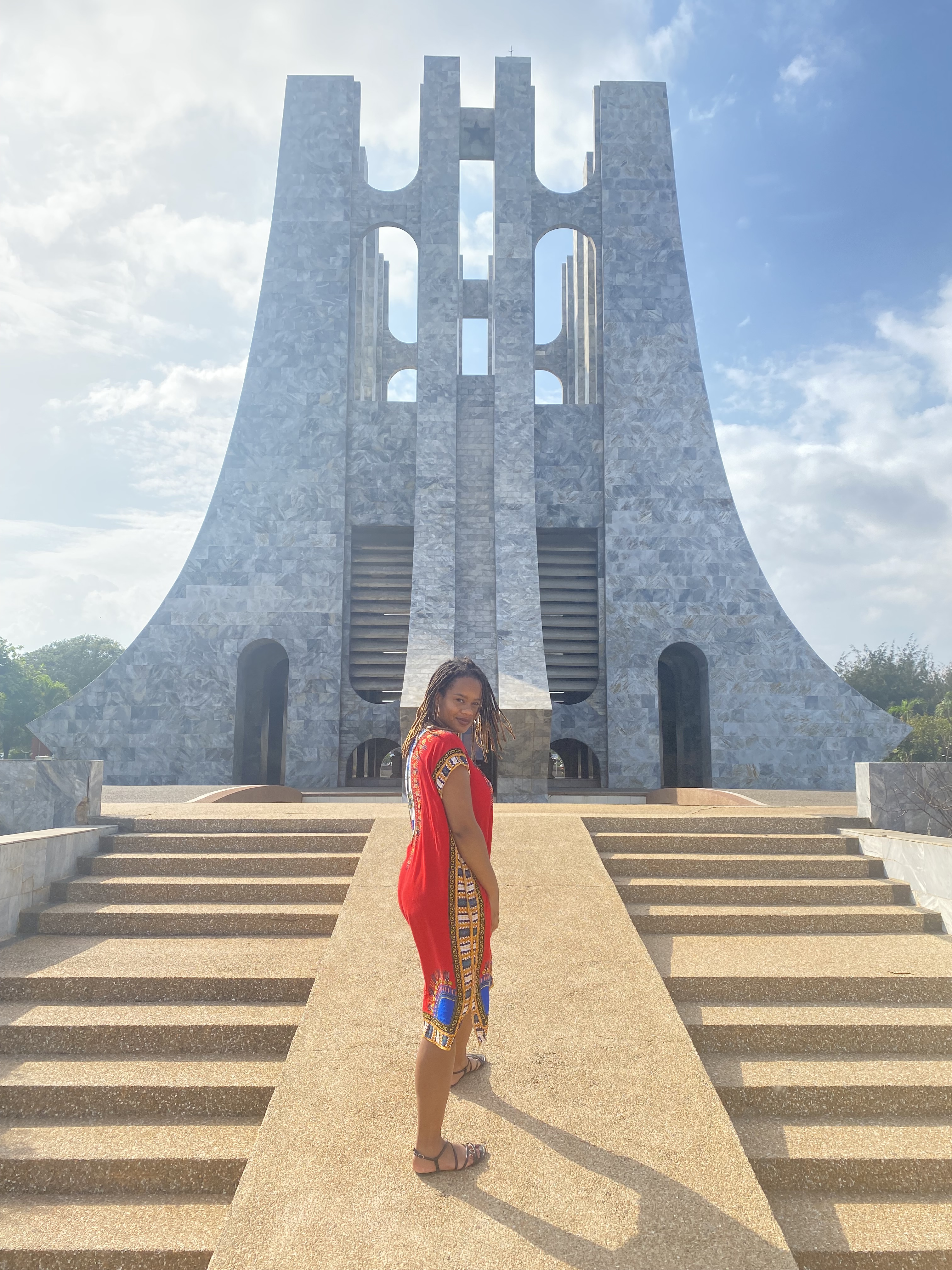
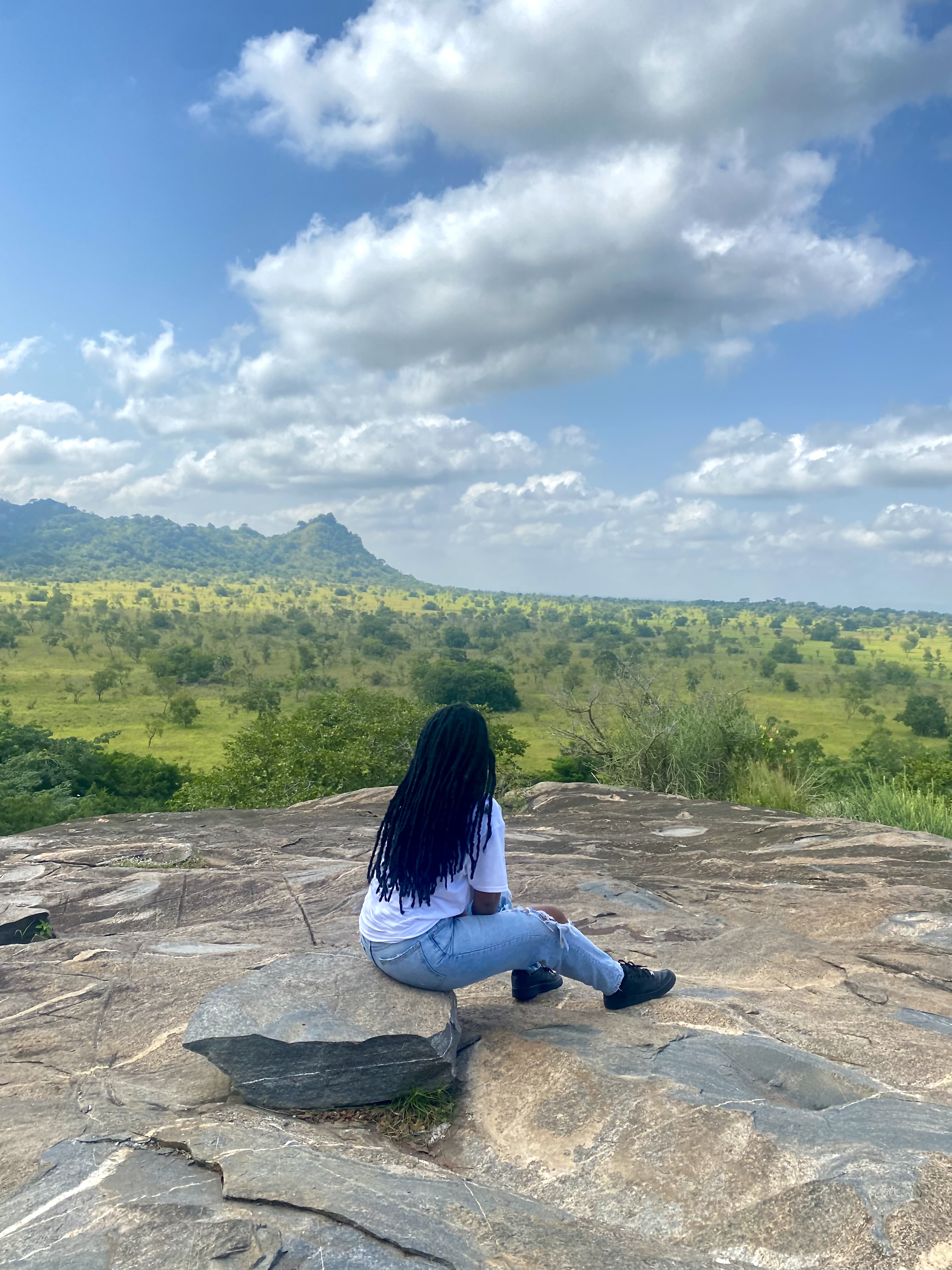
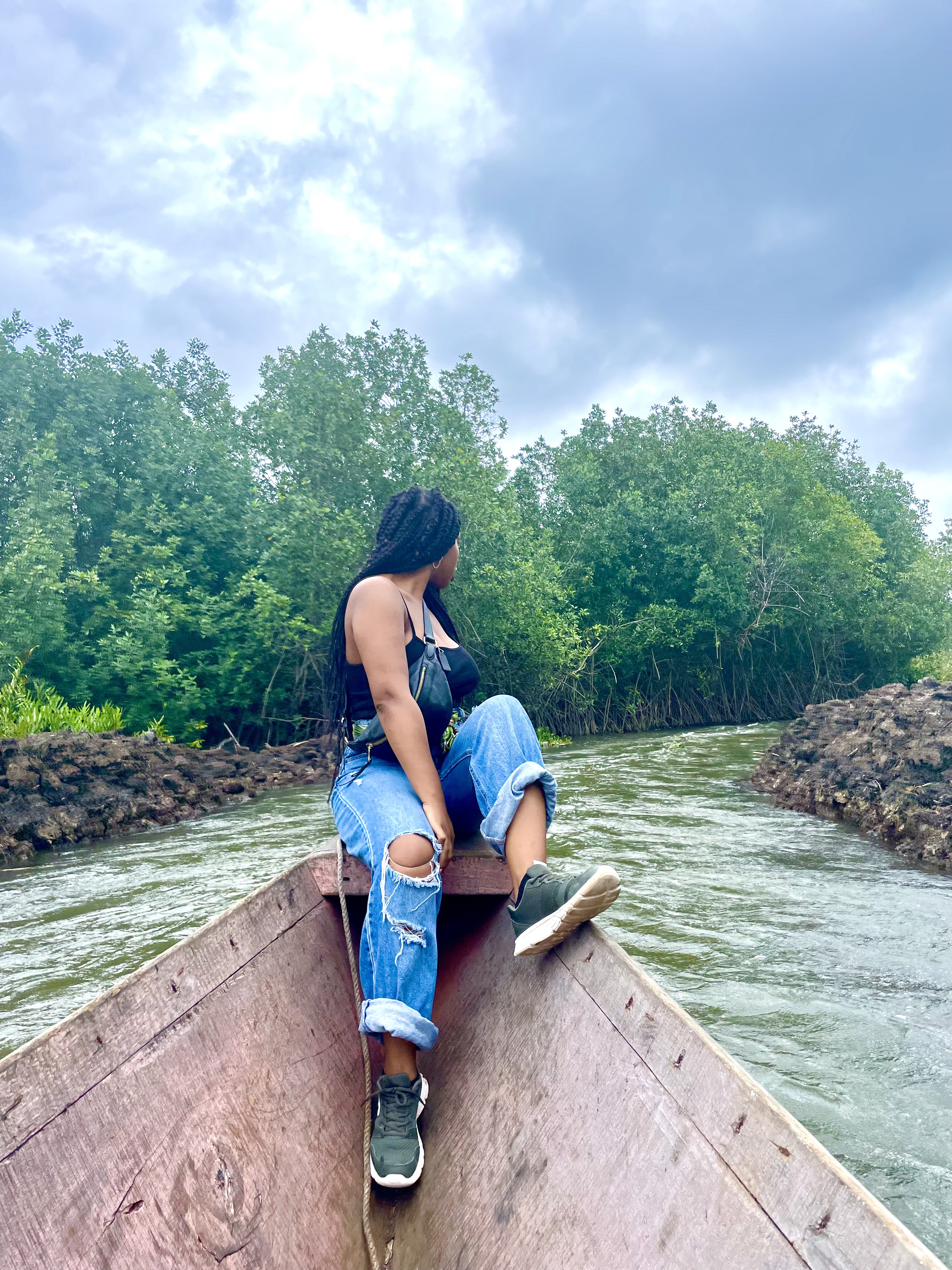
Party after party…
And then… there was my social life.
This part was unexpected.
I’ve never been the “party girl.” I barely drink. I’ve never smoked. I usually hang out over dinner, at the theater, exhibitions — chill cultural stuff.
But in Ghana, I discovered a different version of myself.
A more social one. A freer one.
I remember my first party. I was just sitting there, completely frozen — loving the music, but incapable of moving. It’s so funny when I think back. But I’ve grown since then. I changed.
We had a tight group. We called ourselves the Ghana Family. Always together — discovering new places, dancing, sharing, learning. And yes… one of my nicknames was “The Dancing Lady.”
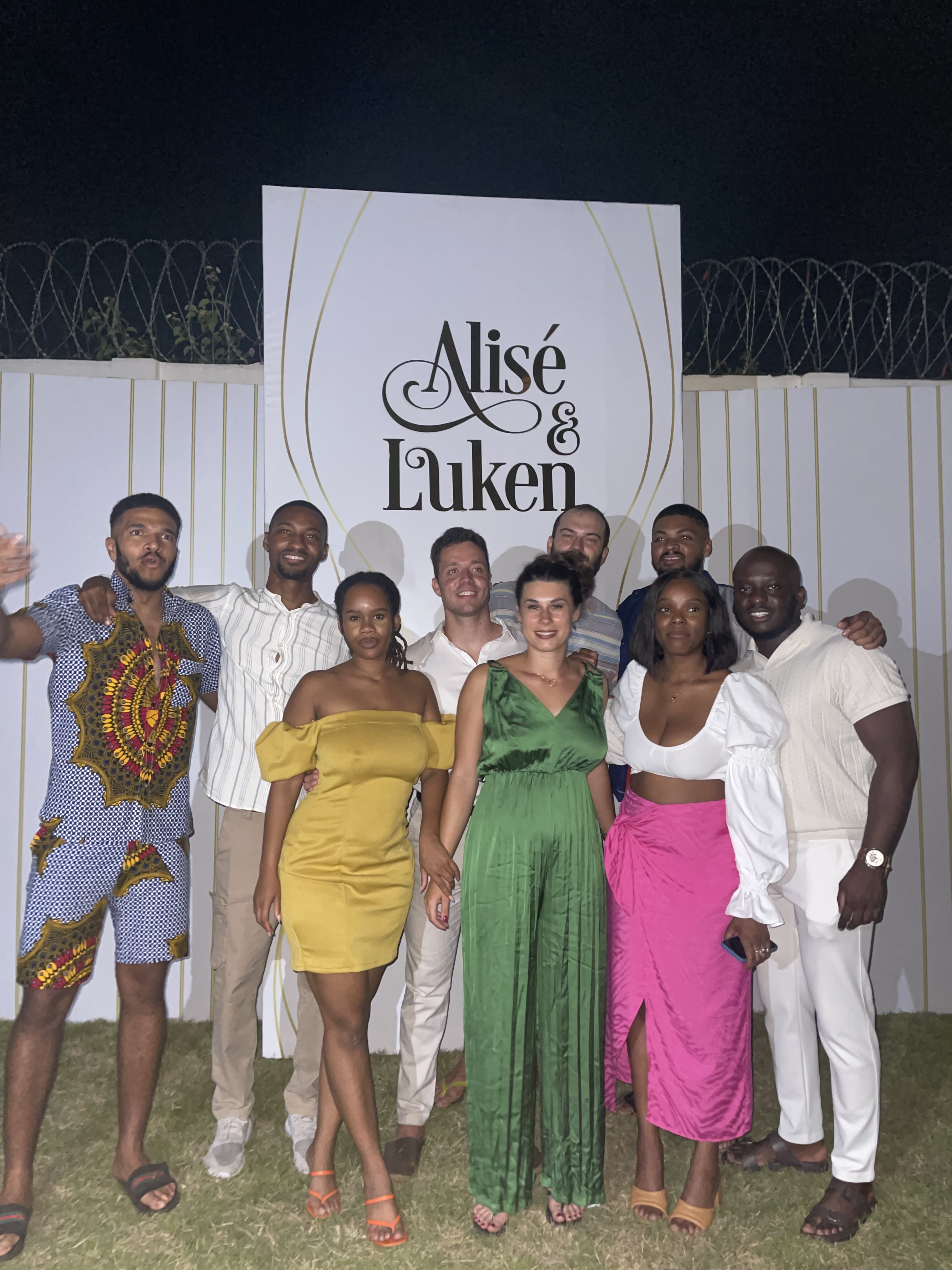
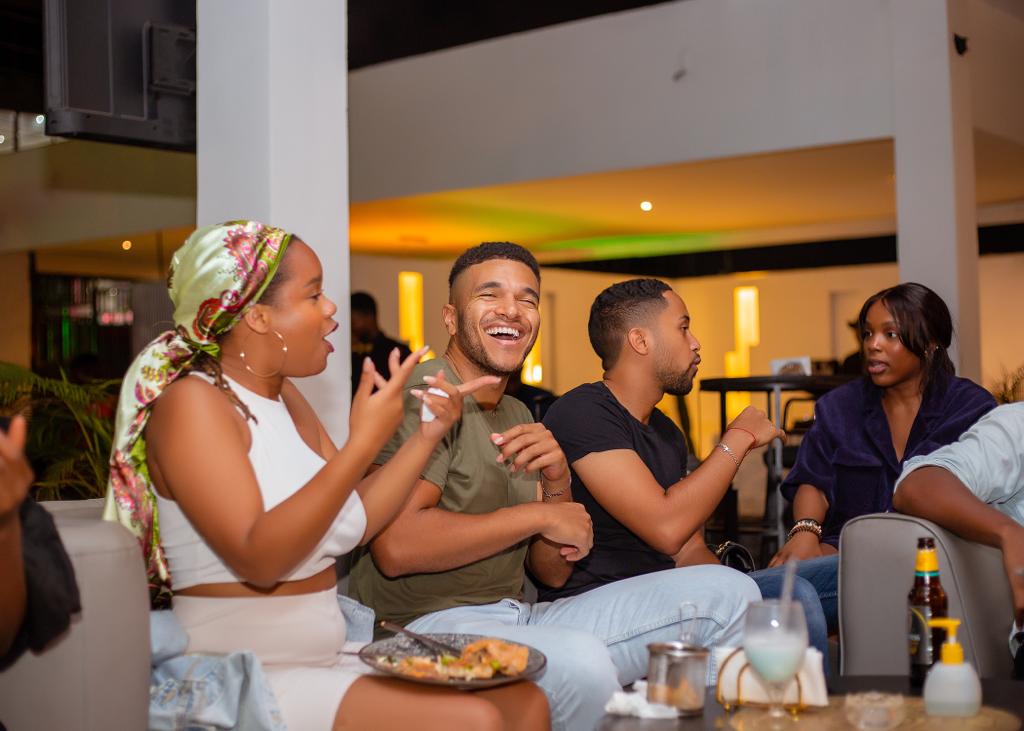
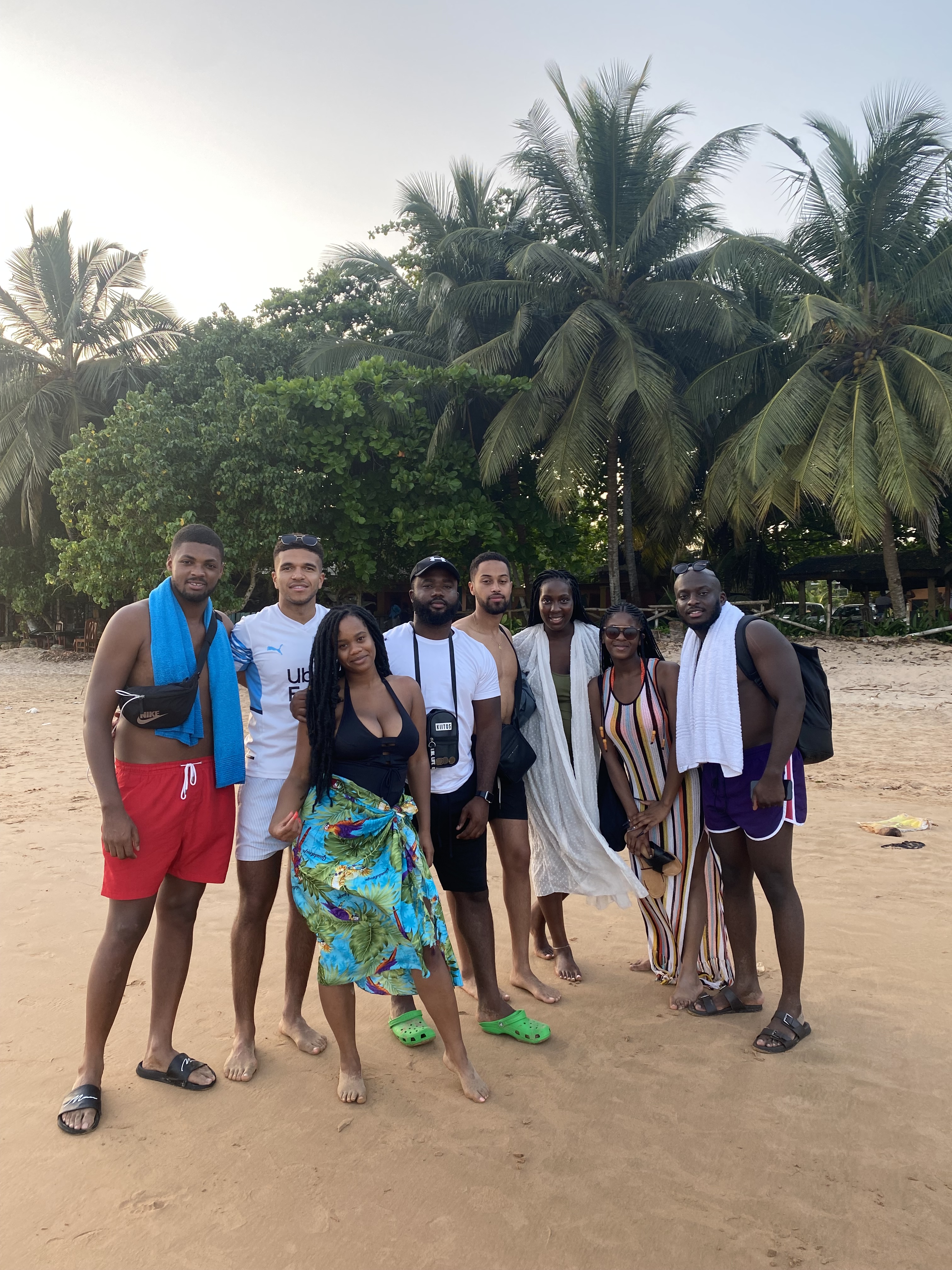
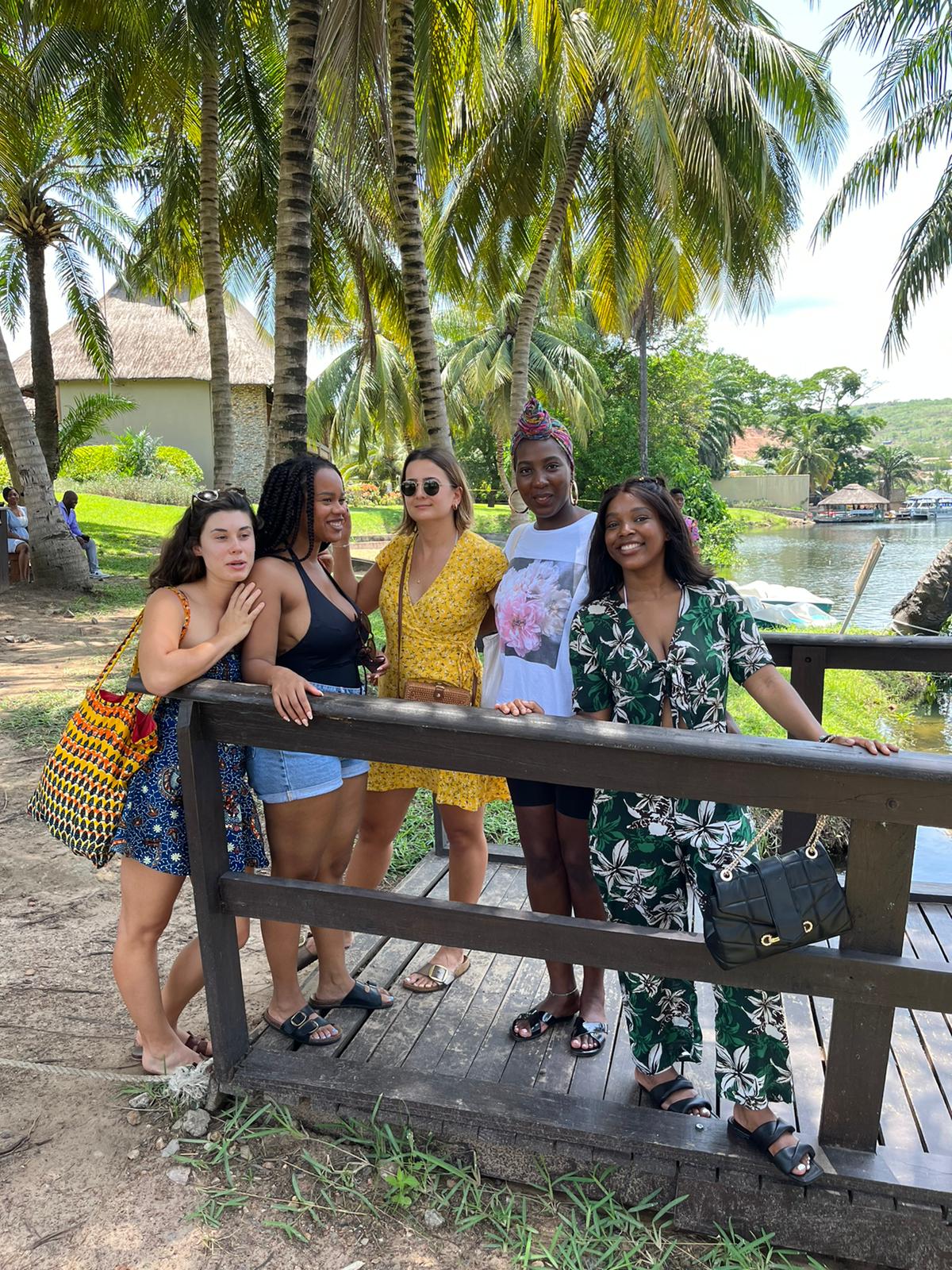
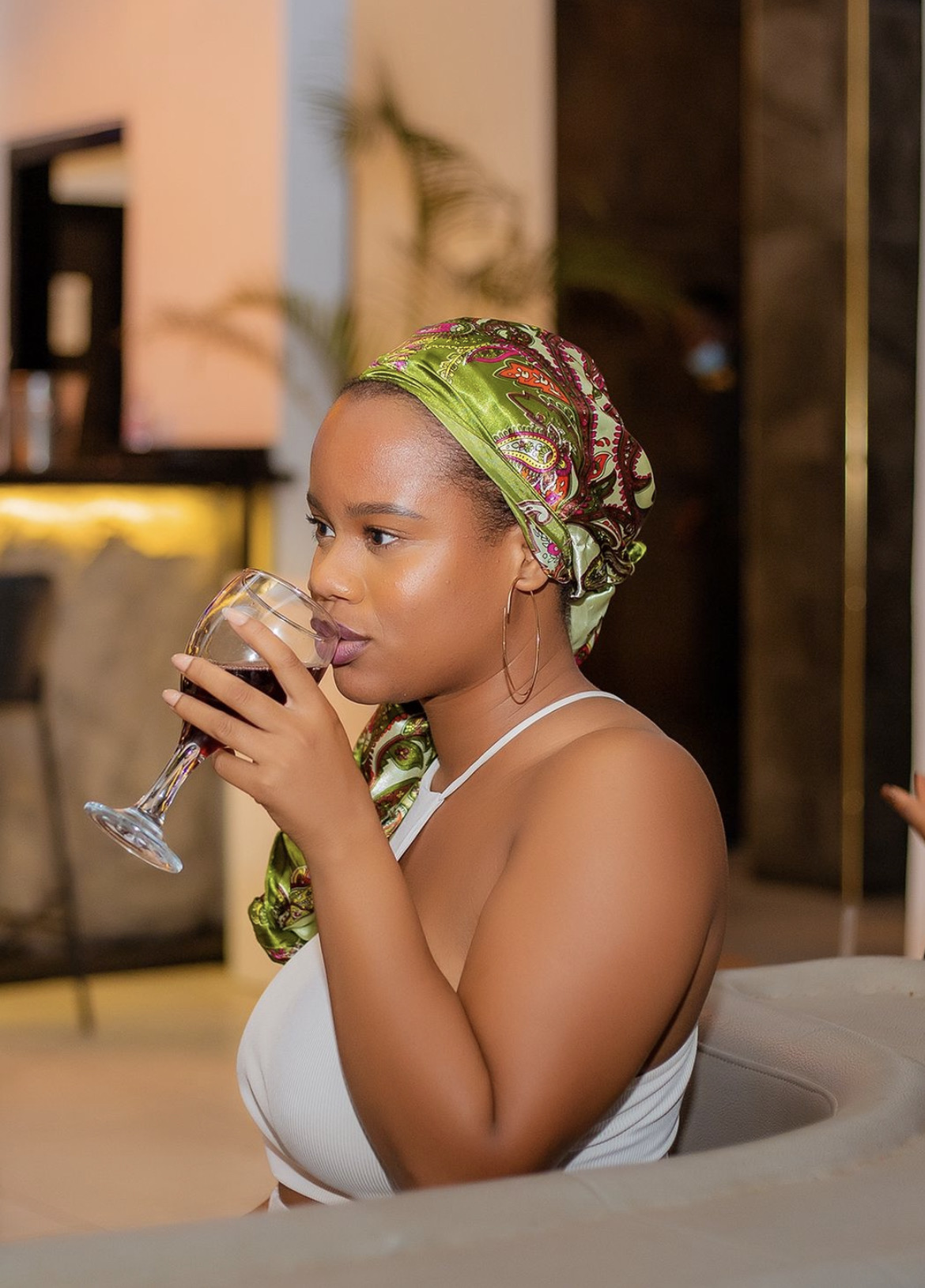
It was one of those rare moments in life when everything flows.
There was no cultural shock. Just joy. Newness. Connection.
Maybe one of the best years of my life.
But like everything in life… not all things stay perfect forever.
That story? For another day.


 tallaadventures.com
Leave a reply to Jo Mendes Cancel reply